NUPOC Career Paths
Find Your Fit
NUPOC offers five distinct career paths. Each one starts with the same pay and benefits — the difference is what you'll do after commissioning.
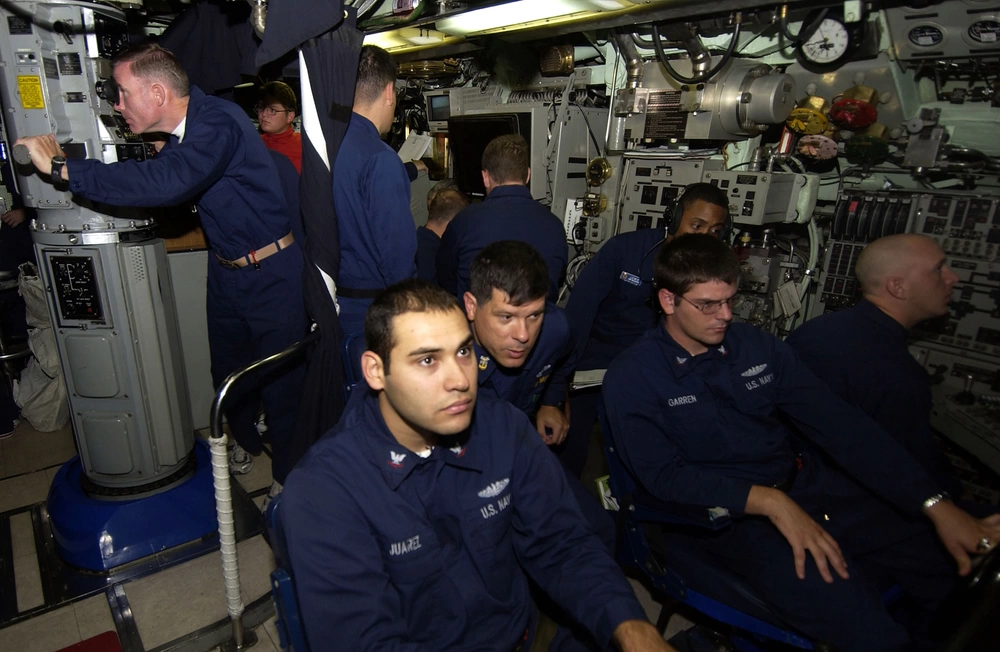
Submarine Officer
Operate and manage the nuclear propulsion plant aboard a submarine. Lead a division of sailors responsible for reactor operations, maintenance, and safety. Requires volunteering for submarine duty.
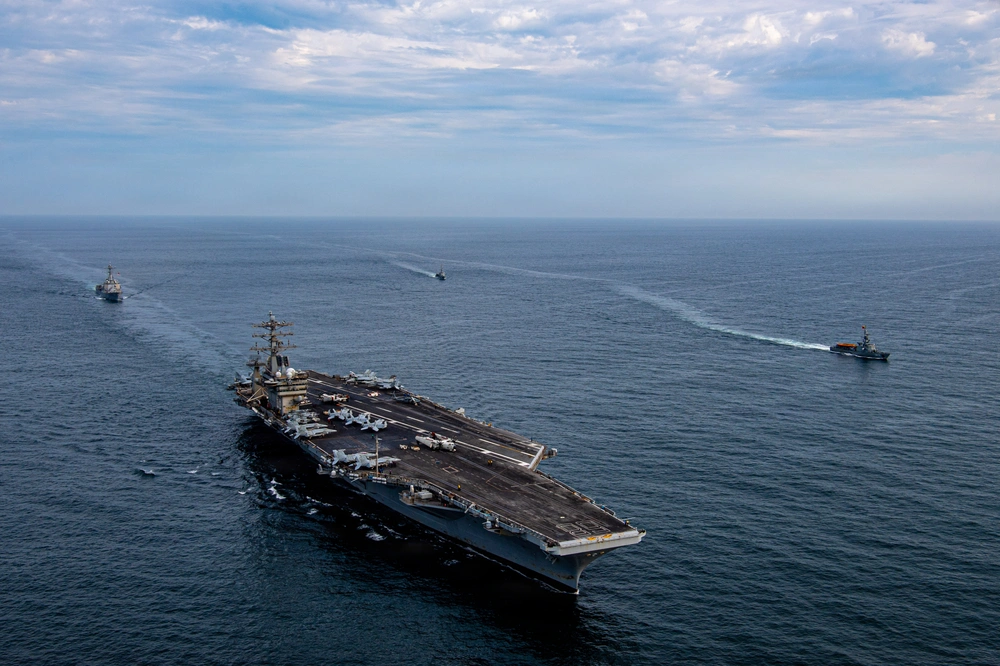
Nuclear Surface Warfare Officer
Operate and manage nuclear propulsion systems on an aircraft carrier or surface warship. Oversee reactor plant operations and lead engineering teams at sea.

Naval Reactors Engineer
Work at Naval Reactors headquarters in Washington, DC. Focus on reactor design, testing, analysis, and oversight of the Navy's nuclear fleet. Requires a technical degree with a "B" average.
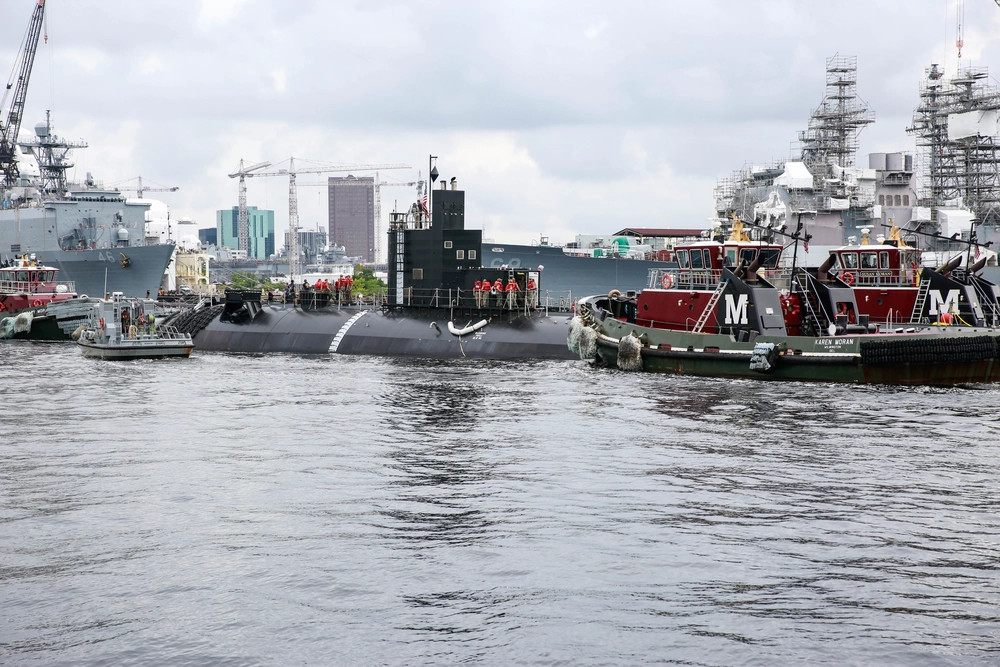
NPTU Instructor
Teach at a Nuclear Power Training Unit — hands-on reactor training for students learning to operate real naval reactors. Requires a technical degree with a "B" average.
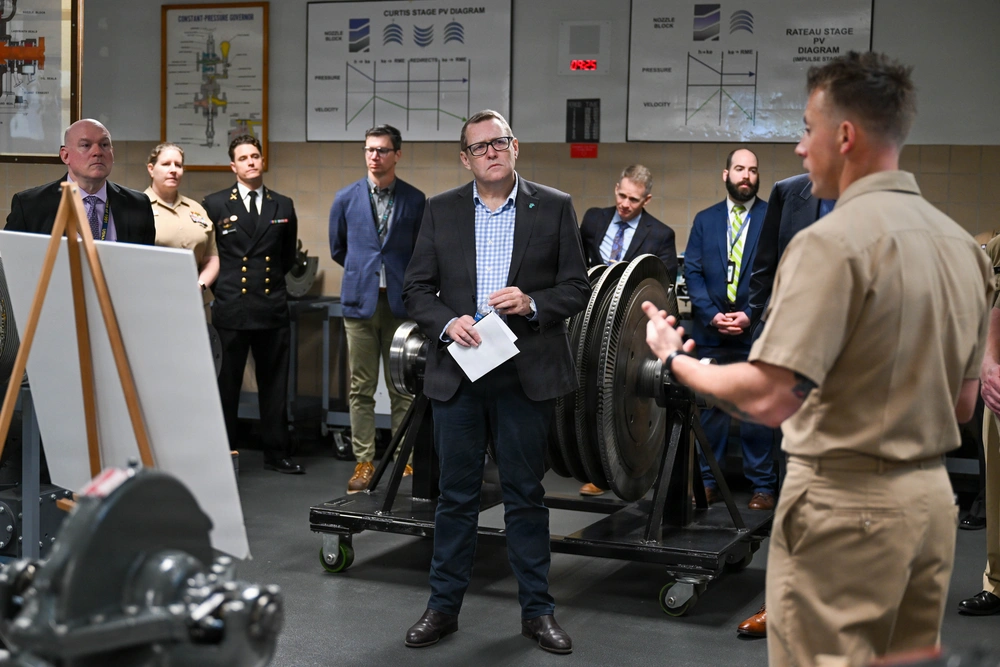
NPS Instructor
Teach at Nuclear Power School — classroom instruction in nuclear science, thermodynamics, and engineering principles. Requires a technical degree with a "B" average. Note: this track does not include a signing bonus.
See It in Action
Videos from the Fleet
Hear directly from Navy nuclear officers about what the job is really like.
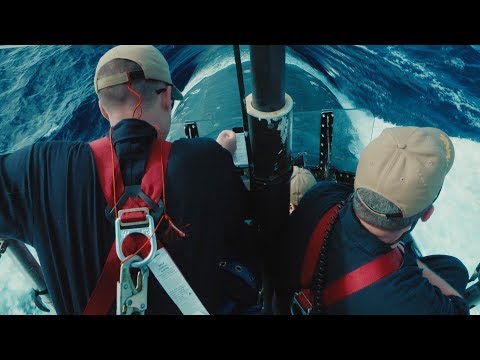
Submarine Officer

Nuclear Surface Warfare Officer
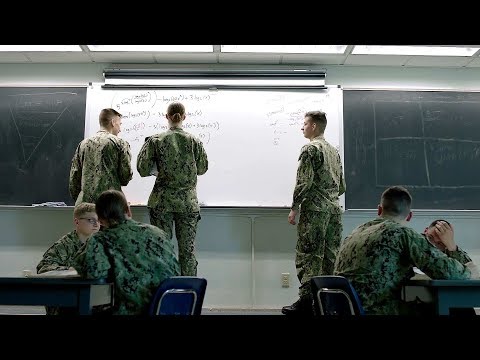
Nuclear Power School Instructor

NPTU Instructor

Naval Reactors Engineer
Civil Engineer Corps
Engineering or Architecture Major?
The CEC Collegiate Program is for students pursuing ABET-accredited engineering or NAAB-accredited architecture degrees. Like NUPOC, you get paid while finishing your degree — same monthly pay, same benefits. CEC officers split their careers between facilities engineering (about 75%) and expeditionary construction with the Seabees (about 25%).
Monthly Pay
Same as NUPOC — $5,624.05/mo (E-6)
Signing Bonus
None
GPA Requirement
Minimum 2.7 (3.0+ for exceptional track)
Degree
ABET-EAC engineering or NAAB architecture
Timeline
Within 18 months of graduation (24 mo. for 3.0+ GPA)
Age
19–36 at commissioning (waivers to 42)
What CEC officers do: Plan and manage construction projects on Navy and Marine Corps bases worldwide. Oversee facilities engineering — utilities, infrastructure, environmental compliance. Deploy with Naval Construction Battalions (Seabees) for expeditionary construction in support of military operations.
Common Questions
Frequently Asked Questions
No. NUPOC is completely separate from ROTC. There are no uniforms, no drills, no military classes, and no chain of command while you're in school. You're a regular student who happens to receive a military paycheck.
Yes. You're a regular student — go to class, join clubs, tailgate on Saturdays. The only difference is you're getting paid $5,624/month while doing it. There are no military obligations until after you graduate.
Vision waivers are considered on a case-by-case basis. Don't disqualify yourself — fill out the form and we'll assess your specific situation. Many successful officers wear corrective lenses.
After graduation, you'll attend Officer Candidate School (OCS) in Newport, Rhode Island. OCS is about 12 weeks. After commissioning as a Navy officer, you'll report to your first assignment based on your program track.
That's completely normal. We'll help you figure out the best fit based on your degree, interests, and career goals. Fill out the form and we can walk through the options together.
No. The form just starts a conversation. There's no commitment, no obligation, and no recruiter showing up at your door. We'll review your info, and if you're eligible, we'll reach out to chat.
Think you might be a fit?
Fill out a quick form and we'll let you know if you're eligible. No commitment — just a conversation.